







Mastercard Economics Institute’s 2026 Economic Outlook: Kenya’s trade shifts and digital adoption to support economic momentum
- Kenya is strengthening trade with emerging markets as global supply chains reorganize
- AI adoption and fiscal expansion will be critical factors to watch
- SMEs and digital adoption remain key growth themes
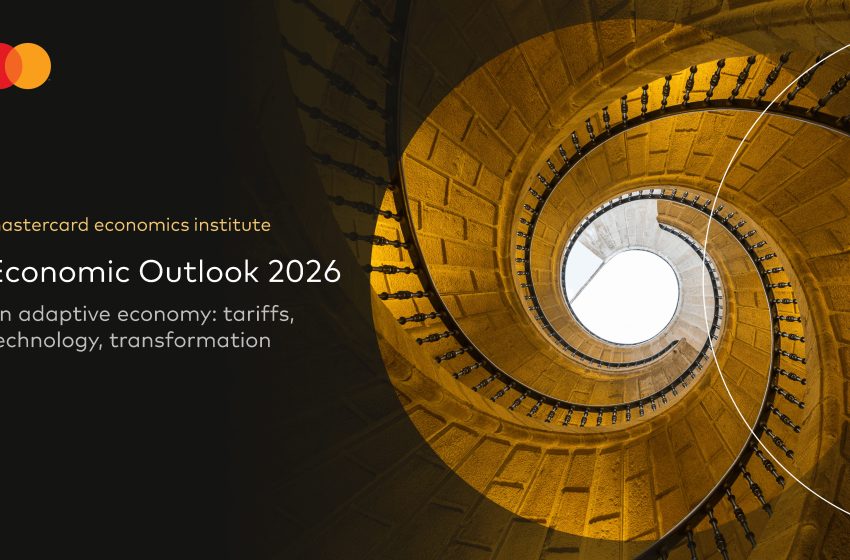
The Mastercard Economics Institute (MEI) released ‘Economic Outlook 2026’, its annual report identifying themes that will shape this year’s economic landscape. The report examines how global policy changes which grabbed headlines in 2025 will continue to influence economies around the world throughout 2026. Growth across Sub-Saharan Africa is expected to strengthen in 2026, supported by easing inflationary pressures, resilient consumer demand and infrastructure investment.
Kenya’s economy is expected to remain resilient, supported by solid domestic demand, increasing digital inclusion, and more diversified trade relationships. Inflation pressures are forecast to be moderate, aided by a weaker US dollar and lower energy prices, allowing room for the central bank to reduce interest rates.
“The economic outlook for Kenya in 2026 is broadly constructive as the country continues to demonstrate impressive adaptability in a rapidly shifting global environment. Strengthening trade ties with emerging markets is expected to support economic momentum. However, risks remain from global trade tensions and commodity price volatility, while high debt levels may limit fiscal space in some economies,” said Khatija Haque, chief economist, EEMEA, Mastercard Economics Institute.
“Kenya’s ability to adapt to shifting global conditions, while growing new export pathways and scaling digital adoption, demonstrates the strength of its economy. As SME innovation continues to thrive, Kenya is well-positioned to seize the opportunities of a rapidly transforming world,” said Shehryar Ali, senior vice president and country manager for East Africa and Indian Ocean Islands at Mastercard.
Key findings from the report include:
Diversifying trade with emerging markets
As global supply chains reorganize, Kenya is trading more with emerging markets, supported by evolving supply chains and new trade corridors. Chinese Mainland’s removal of import duties on most African goods is expected to open new market pathways for Kenyan producers. Deepening commercial links with Asia and the Middle East are expected to help offset external pressures and further diversify revenue streams.
Digital transformation and fiscal expansion among main tailwinds
The MEI anticipates digital transformation, particularly deeper AI integration, with the potential to boost productivity and growth. African governments are supporting infrastructure development and long-term strategic investment, helping strengthen domestic capabilities and enabling firms to adapt to shifting global dynamics.
SMEs remain vital to the continent’s economy
Digital tools are increasingly enabling small businesses to streamline operations, reduce costs and compete more effectively, however, to succeed, SMEs require strategic agility and digital readiness. Those that are the most flexible and tech forward are likely to be best positioned to accelerate growth. MEI sees an opportunity for SMEs to continue to gain share in tech-driven services. There is a growing demand for local tech solutions and a more specialized offering.
Consumers worldwide will remain savvy, focusing on international, tech-enabled and value-conscious spending. They will continue to prioritize meaningful moments, such as travel and live events, while remaining price-sensitive for many necessary goods.
The ‘Economic Outlook 2026’ report draws on a multitude of public and proprietary data sets, including aggregated and anonymized Mastercard sales activity, as well as models that are intended to estimate economic activity.
